This is the need for a PGDM Course․ An ideal management program grooms students to gain the confidence‚ skills‚ and business sense required to convert their creative ideas into entrepreneurial success stories․ The best PGDM Colleges in India today focus on learning through experience‚ industry exposure‚ and entrepreneurial thinking‚ so that students can learn from their experiences rather than solely from classrooms․
Passion gets the ball rolling, but it cannot sustain flight. Founders understate just how much of entrepreneurship involves crunching numbers and dealing with people.
A grounding in business management skills helps founders:
Read financial statements and manage cash flow
Understand market demand before investing money
Build teams and delegate
Avoid legal and compliance mistakes
Skip this, and even a brilliant idea can collapse under poor execution.
The PGDM course has been developed around the business functions - finance‚ marketing‚ operations‚ human resource development and strategy - which are taught with application focus․
When multiple departments are studied in tandem‚ students learn to connect them․ For example‚ a founder with marketing and finance skills can acquire customers more cheaply․ That's one reason PGDM for entrepreneurs continues to grow․
Running a business calls for more than subject knowledge. A PGDM programme sharpens several entrepreneurial skills from day one:
Decision-making under uncertainty
Financial planning – budgeting, break-even analysis
Negotiation – with investors and teams
Leadership – motivating people in resource-tight stages
Risk assessment – knowing which risks are worth taking
These get practised through case studies, not just lectures.
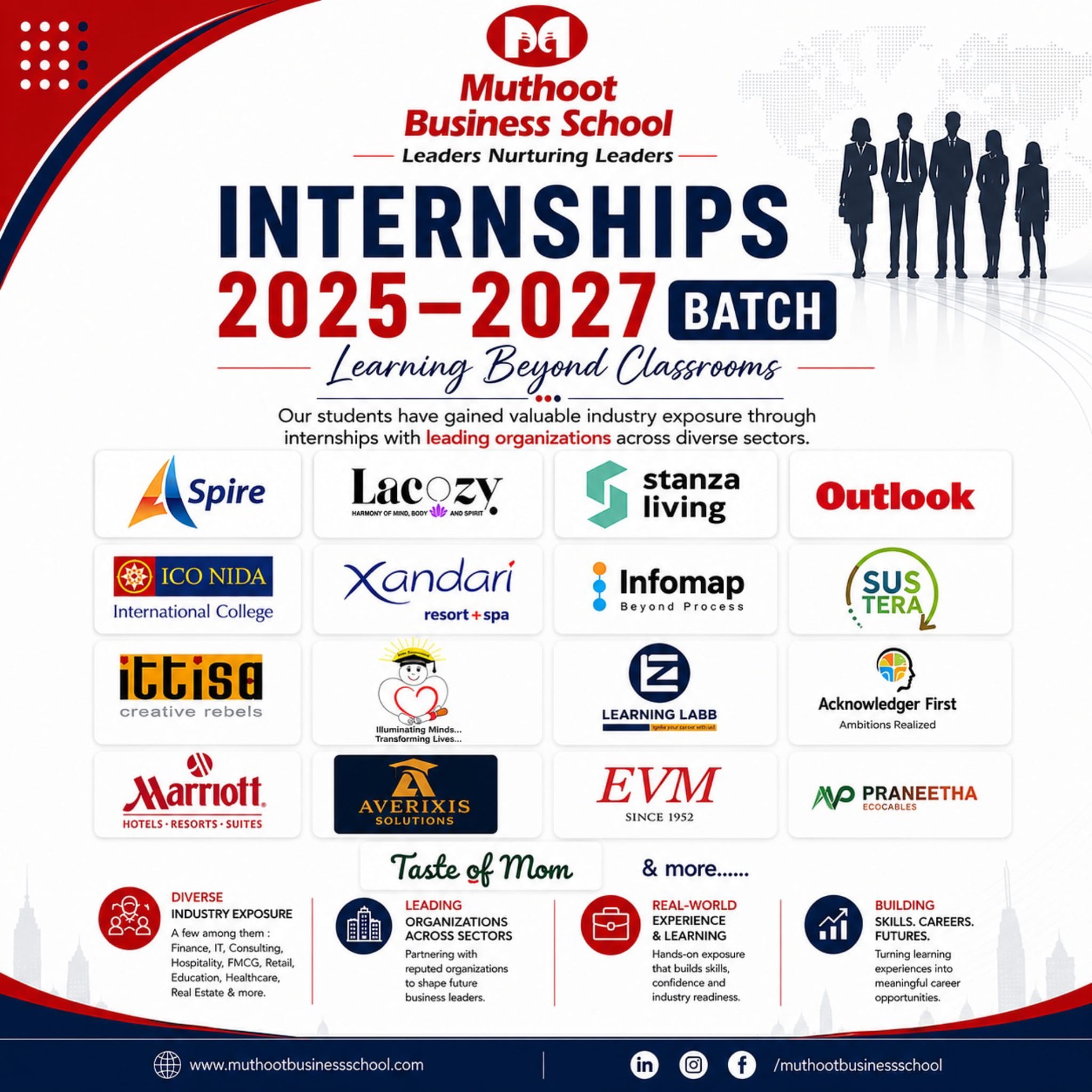
Classroom theory only goes so far. The difference between a good PGDM course and a top PGDM course mainly lies in the amount of exposure provided to students through internships and live projects to experiment without risking expenses․
Industry experts help students avoid time-consuming mistakes and expensive․ This is why it makes all the difference to pursue an industry-oriented PGDM course․
Not every founder needs the same skills. A specialisation sharpens what a venture depends on:
Though often overlooked by young entrepreneurs‚ a PGDM in human resource management can prove to be the make-or-break factor for a business‚ due to high turnover rates․
Turning an idea into an enterprise is rarely a straight line. It usually looks like this:
Validating the idea through research
Building a lean, testable model
Securing early funding
Hiring the first team members
Scaling operations while managing risk
A PGDM prepares students for each stage by pairing frameworks with real exposure, so decisions aren't made on instinct alone.
Not all programmes offer the same value. Picking from the best PGDM colleges in India matters, since the right institution offers stronger industry connections and live-project exposure.
Look for a college that offers:
Comparing a few shortlisted PGDM colleges in India before applying is worth the effort — the right environment decides whether you learn management in theory or get ready to actually lead.
Building a business takes more than a good idea, it takes structure, skill, and the confidence to lead. A PGDM Course gives aspiring entrepreneurs exactly that: a practical foundation in entrepreneurship and management education. Whether the goal is a startup or a family business expansion, the right PGDM college sets the stage for long-term business leadership skills and real enterprise success. At Muthoot Business School, this journey from idea to enterprise is built into the classroom itself.
1. How can a PGDM help aspiring entrepreneurs?
It builds core knowledge in finance, marketing, and operations, helping entrepreneurs make informed decisions and avoid costly mistakes.
2. Is a PGDM useful for starting a business?
Yes. It teaches practical skills like budgeting, market research, and team management, all essential for turning an idea into a working enterprise.
3. What skills can entrepreneurs learn through a PGDM?
Entrepreneurs gain decision-making, financial planning, leadership, and negotiation skills through case studies and live projects.
4.Which PGDM specialisation is best for entrepreneurs?
It depends on the venture. Finance suits funding-heavy businesses, while PGDM in Human Resource Management helps founders build strong early teams.
5.How does practical learning support entrepreneurship?
Internships and live projects let students test ideas in real markets and avoid rookie mistakes before risking their own capital.
6.Can a PGDM help entrepreneurs grow their businesses?
Yes. Beyond the startup phase, PGDM training helps founders manage larger teams and strategic growth decisions.