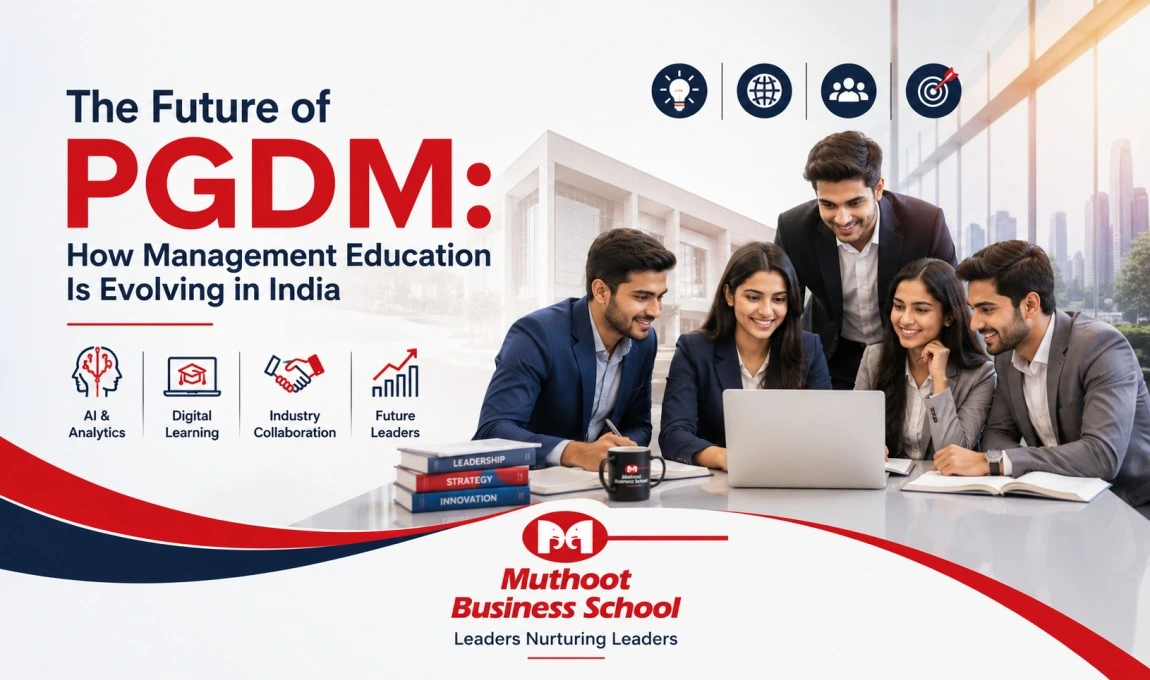
So let us actually break this down. Why are so many students choosing this route, and what makes it genuinely worth two years of your life?
Here is the short version. A PGDM course is offered by autonomous business schools rather than universities. Sounds like a small technical detail, but it actually changes quite a lot. Because these institutes are not tied down to a fixed university syllabus, they get to update their curriculum almost every year, dropping whatever is outdated and adding whatever the industry is genuinely asking for right now.
That flexibility is really the whole point of the program, honestly. A university MBA might take years just to revise its coursework through committees and approvals. A good PGDM institute, on the other hand, can slot in a new analytics module or a fresh leadership case study the moment it becomes relevant. For students, that means you are learning things that are still useful by graduation day, not stuff that was cutting edge when your professor was studying.
This is probably the single biggest draw, and for good reason. PGDM programs are built with direct input from actual industry professionals, not just a committee of academics deciding what feels theoretically important. Subjects get refreshed regularly, new tools get folded in as soon as they show up in the real world, and outdated theory quietly gets dropped instead of hanging around for another decade. What you end up with is a course that reflects what companies need today, not what they needed when your parents were job hunting.
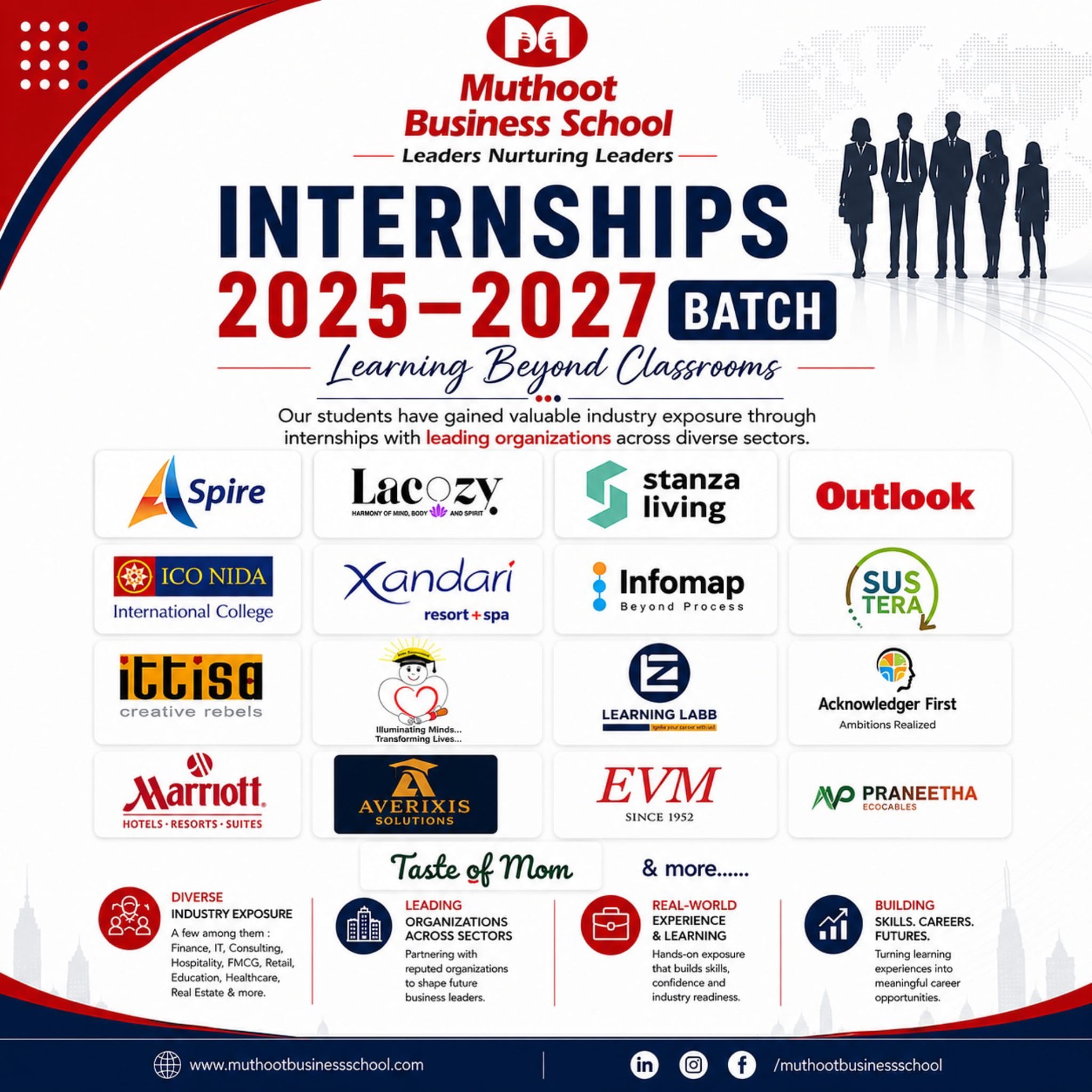
Let us be honest, sitting through lecture after lecture only gets you so far. What actually builds confidence is doing the work. Live projects, internships, case studies pulled from real companies instead of a textbook printed five years ago. Good programs push students into situations where they have to apply what they just learned almost immediately, and that pressure, uncomfortable as it feels at the time, is genuinely the fastest way to make something stick.
A PGDM is not only about business theory, it is really about becoming someone people can actually follow. Group work, presentations, simulations, mentoring sessions, none of these show up neatly on a mark sheet, but they quietly build the decision-making and people skills that end up mattering the most once you are sitting in a real meeting with real stakes.
Because these institutes stay closely tied to industry, placement support tends to be treated as a genuine priority rather than a box to tick before convocation. Plenty of programs also build in pre-placement internships or early exposure to real companies, so by the time you actually graduate, you are not walking in with zero experience. You already have something to point to on your resume.
Skilled management professionals are needed just about everywhere you look, banking, retail, healthcare, manufacturing, IT, the list keeps going. A PGDM does not box you into one narrow lane either. It gives you a broad, adaptable skill set that travels well across sectors, which matters a lot if you are honestly still figuring out where you want to end up.
Once you actually graduate, the doors tend to open up faster than most people expect. Common roles for PGDM graduates include Business Analyst, Marketing Manager, Operations Manager, HR Manager, and Financial Analyst, plus plenty of others depending on where you specialised.
What really stands out about these Management Career Opportunities is how quickly they can turn into leadership positions. Since PGDM graduates walk in with hands-on exposure rather than just textbook knowledge, companies tend to trust them with real responsibility much earlier, and that usually translates into a faster climb up the ladder than what you would see from a purely academic background.
If you are still weighing your options, Muthoot Business School (MBS) in Kochi genuinely deserves a spot on the list. We are recognised as one of the leading PGDM colleges in Kerala, and honestly, we built the program specifically to close the gap between sitting in a classroom and actually surviving corporate life.
Students here start with a paid Day Zero Internship, working inside real organisations before formal classes have even begun. Every single week includes real hours inside corporate offices tackling live business problems, not made-up ones from a case study bank. Add to that faculty with genuine boardroom experience, one-to-one mentoring through an Individual Leadership Development Plan, and the backing of The Muthoot Group's legacy, and you get a program built around actual careers, not just exams and grades.
A Post-Graduate Diploma in Management is not a shortcut, and it is certainly not a lesser version of an MBA. It is a genuinely practical, industry-aligned path into a management career. Between the constantly updated curriculum, the real-world exposure, and the strong placement support, it consistently gives students a head start that is hard to match on paper alone.
Where you choose to do it though, that is where it all really comes together. Look for an institute that treats industry exposure as central to the course rather than a nice-to-have side benefit, because that is genuinely what turns a diploma into an actual career.
Yes, in terms of academic value and career outcomes, a PGDM from a reputed, AICTE-approved institute is considered on par with an MBA, and often more current in curriculum.
Most PGDM programs run for two years, full-time, similar to a standard MBA.
Anyone looking for practical, industry-focused management education with strong placement support and real-world exposure should consider this route.
Graduates typically move into roles like Business Analyst, Marketing Manager, Operations Manager, HR Manager, and Financial Analyst across various industries.
A PGDM is offered by autonomous institutes and can update its curriculum more frequently, keeping it closely aligned with current industry needs, unlike a fixed university syllabus.
MBS offers paid internships from Day Zero, weekly corporate exposure, experienced faculty, and personal mentoring, making it a strong choice among PGDM College in Kerala options.